A new planet, a new village, a city moving into its next age, or a ship model designed for a specific job: all four games let an empire grow, but growth means something different in each. The useful question is what you will want to pick up at your next login.
OGame connects economy and fleets. Travian: Legends puts expansion on a shared territory map. Forge of Empires makes the city its anchor. Aleryos adds custom ship design and ground operations to a planetary empire. I work on Aleryos, so this is a developer’s comparison, not an independent review. The same criteria apply to all four: what you develop, the decision that keeps returning, the role of other players, and the horizon each world offers.
Four different centers of gravity
| Game | What you build | The recurring decision | How other players fit | World horizon |
|---|---|---|---|---|
| OGame | Planets, research, and fleets | Invest in production or prepare ships? | Alliance fleets can join a coordinated ACS attack. | A shared universe and long-term empire building. |
| Travian: Legends | Villages, troops, and territory | Where and when should you expand? | Alliances coordinate defense and the regular-world endgame. | A round-based campaign; the goal depends on the version. |
| Forge of Empires | A city and its technologies | What fits into the city’s next stage? | Guild Expeditions are cooperative; Guild Battlegrounds are competitive. | A city that advances through ages and campaigns. |
| Aleryos | Planets, custom ship models, and ground forces | How should you equip your forces, and where should you commit them? | Alliances develop shared technologies and coordinate across fronts. | A persistent galaxy map and a growing empire. |
Building, production, and conflict appear in several columns. What separates the experience is how those activities feed into one another.
OGame: the economy prepares the fleet
In OGame, your starting planet produces the resources that fund buildings, research, and ships. Colonies can extend that economic base. Your fleet is not separate from development: earlier investments shape what you can build and send.
Imagine directing your next reserve toward production or more ships. Production can fund a larger plan later; ships create options for action now. That trade-off makes OGame a useful fit if you enjoy balancing the economy against military readiness.
Alliances add another layer. OGame’s Alliance Combat System lets players coordinate fleets into a joint attack. The social decision becomes one of timing and shared risk, not simply joining a chat or guild.
Travian: Legends: your neighbors are part of the plan
Here, Travian means Travian: Legends, not Travian: Kingdoms. You begin with a village, build its production, and raise troops. From there, you can settle more villages or take territory. Since other players are building on the same map, expansion becomes a question of position as well as growth: where to go, what to defend, and how to support an ally.
On regular game worlds, the endgame centers on a World Wonder. The first player or alliance to build one to level 100 wins the round. Special versions can set different goals, so the exact finish line depends on the world you join. A round gives a shared project a clear endpoint; if you want to keep one empire indefinitely, a restart is part of the choice.
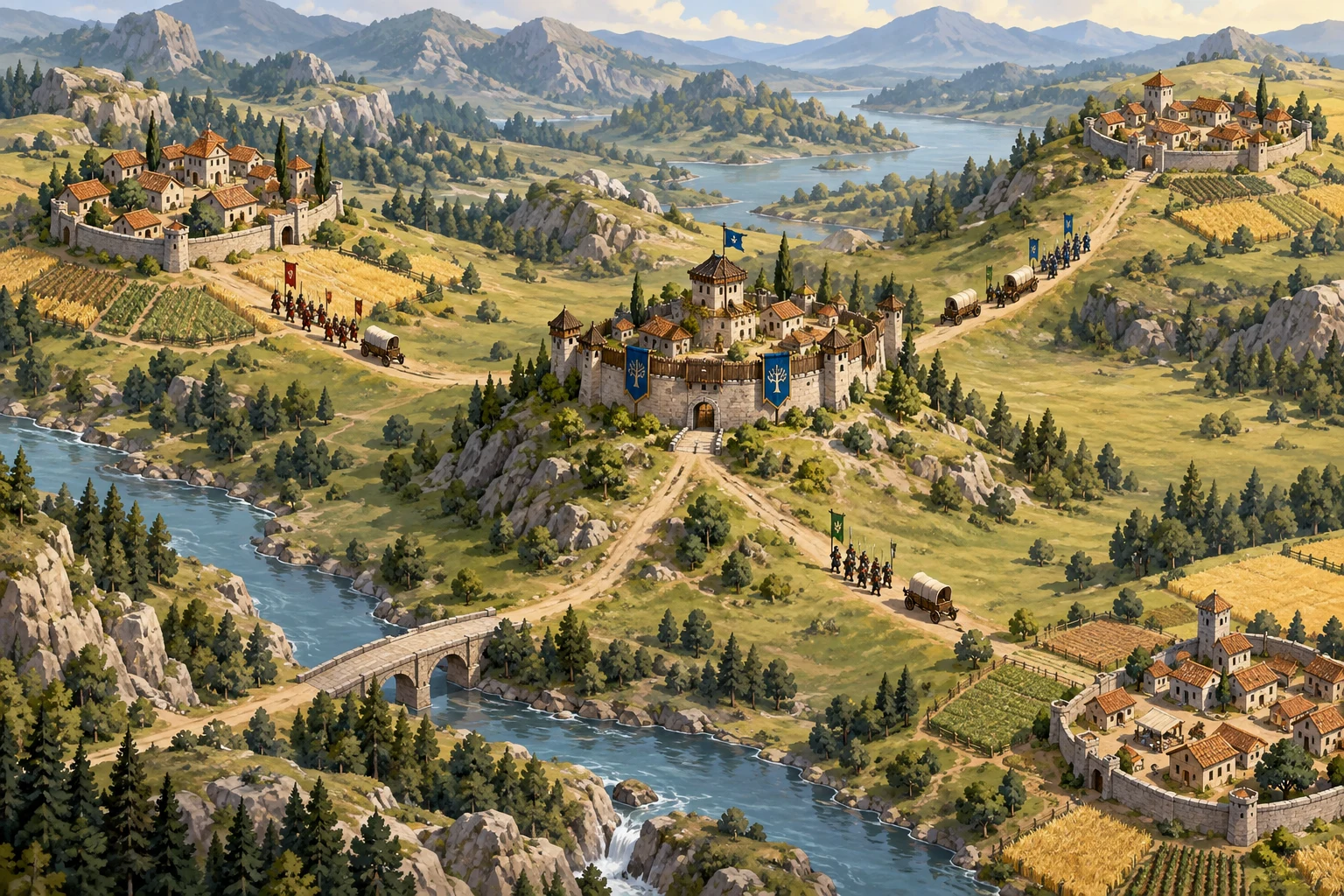
Forge of Empires: the city is the anchor
In Forge of Empires, your empire takes the form of a city. You place buildings, organize production, and research technologies that unlock new ages and more options. The campaign map adds another path for expansion: you can gain provinces through combat or negotiation.
That makes city space a strategic resource. A new building has to fit into a layout that already supports your plans. If you enjoy arranging a city and seeing it evolve through different ages, that loop may be more appealing than coordinating a fleet.
Guild activities add group play in a different shape. Guild Expeditions are cooperative: members progress through locations for personal rewards and guild power. Guild Battlegrounds instead put guilds in competition over provinces. Both give the group a role without replacing the city as the center of your personal development.
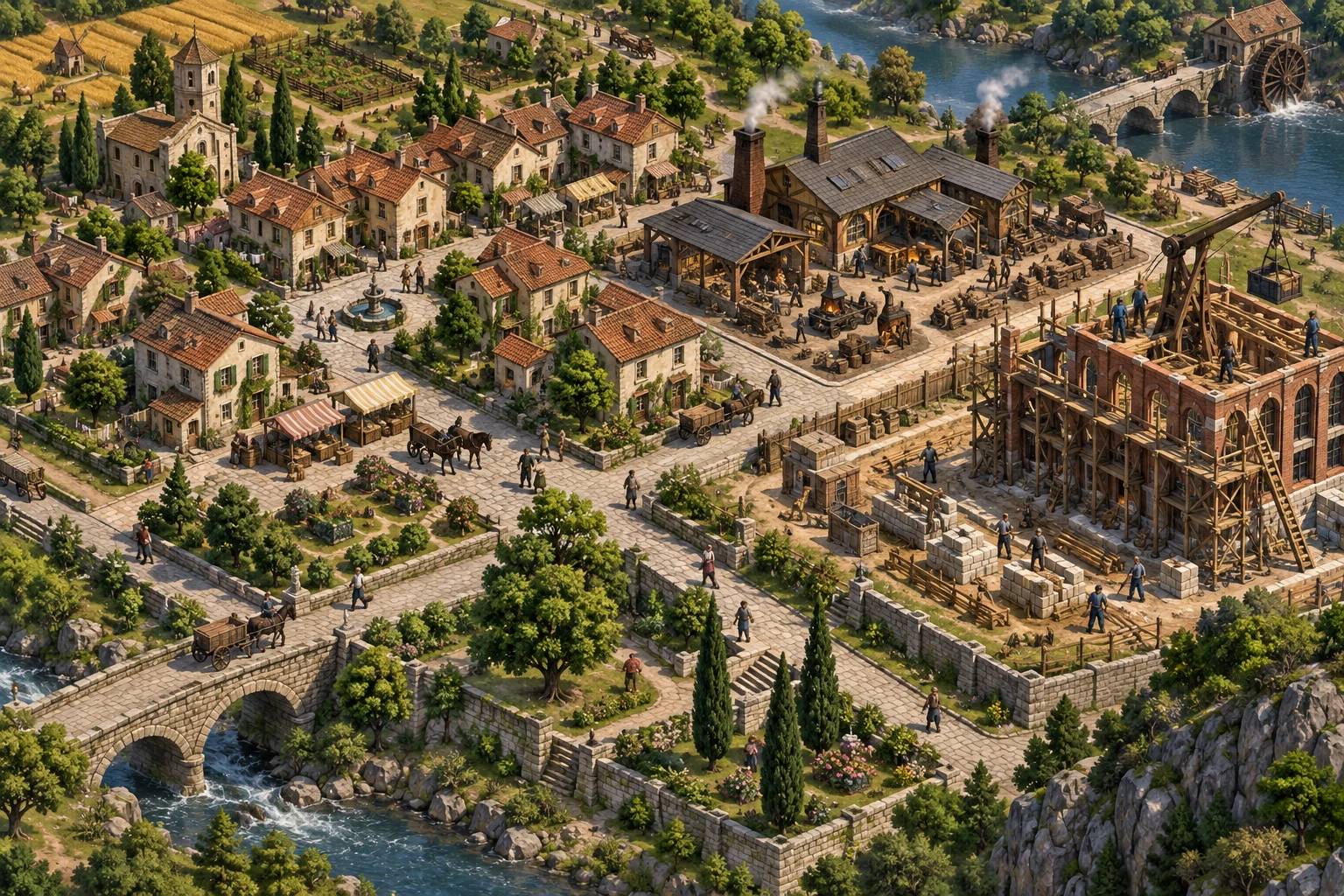
Aleryos: design the ship, then choose the front
Aleryos shares the space-empire starting point: planets, research, missions, and fleets. But before you build ships, you design their models. Each one combines an infrastructure with hulls, reactors, weapons, and shields. Those components use volume that could otherwise remain available for cargo, so a transport ship and a combat ship raise different design questions.
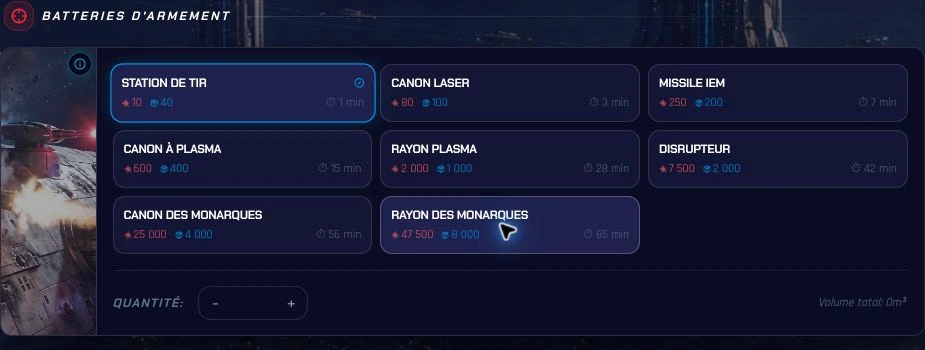
The Pillars add ground operations alongside space missions. Alliances can invest in shared technologies and coordinate across both fronts. This may suit you if you like shaping your tools and deciding where to commit them. Custom models and two fronts add interacting systems to consider; whether that appeals depends on the decisions you want to make.
Choose the decision you want to return to
If you like connecting production, research, and fleets, look at OGame. If you want a territorial campaign shaped by a round’s endpoint, consider Travian: Legends. If city layout and growth through ages are what draw you in, Forge of Empires is the clearest match. If custom ship design and space-and-ground strategy sound appealing, explore Aleryos.
These are different centers of gravity, not a ranking. For another view of group play, read our guide to alliances in strategy games. To focus on the two space empires, see our OGame and Aleryos comparison.